
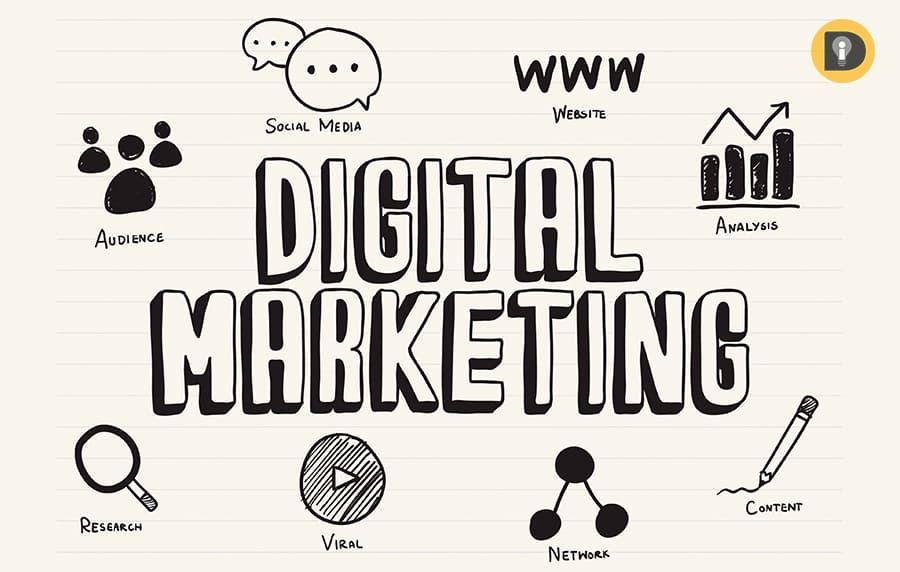
In the digital age, where people spend a significant amount of time online, digital marketing has become an essential component of businesses’ overall marketing efforts.
This form of marketing encompasses a wide range of strategies and tactics with set goals of reaching the target audience, engaging with them, and driving desired actions or conversions.
Keep reading till the end to find out more information on digital marketing!
Marketing That Drives Results
Digital marketing refers to the practice of promoting products, services, and brands by using several online channels and technologies.
The core objective of digital marketing is to leverage digital channels to connect with potential customers and build relationships with them.
These channels include websites, search engines, online platforms, email, mobile apps, and various online advertising platforms.
Digital marketing offers distinct advantages over traditional marketing methods, such as wider reach, precise targeting, real-time data analysis, and cost-effectiveness.
The Main Components Of Digital Marketing
To understand the concept of digital marketing in a more detailed way, it becomes very important to explore its key components, strategies, and tools first:
1. Search Engine Optimization (SEO)
SEO is the process of improving a website’s visibility and ranking in search engine results pages (SERPs) organically. It involves optimising various aspects of a website, including its content, structure, and backlink profile.
The goal specifically is to increase organic traffic by targeting relevant keywords and providing a positive user experience.
2. Search Engine Marketing (SEM)
SEM encompasses paid advertising on search engines. It involves creating and managing ad campaigns using platforms like Google Ads or Bing Ads.
SEM allows businesses to bid on keywords and display their ads prominently in SERPs.
The advantage of SEM is the ability to quickly drive targeted traffic to a website, with advertisers paying only when a user clicks on their ad (PPC).
3. Social Media Marketing (SMM)

SMM focuses on leveraging social media platforms such as Facebook, Instagram, Twitter, LinkedIn, and YouTube to get reach and then engage with the target audience.
It also involves creating and sharing content, running targeted ads, and building a community of followers. SMM enables businesses to build brand awareness, drive website traffic, and foster customer loyalty.
4. Content Marketing
This is another great component of Digital Marketing. Content marketing revolves around curating and then sharing valuable, relevant, and engaging content to attract and retain a target audience.
It includes various forms of content such as blog posts, videos, articles, infographics, podcasts, and much more.
Content marketing aims to educate, entertain, and inspire the audience, and then drives customer action that is profitable and builds up the authority of the brand.
5. Email Marketing
Email marketing involves the usage of email as a direct communication channel with customers and prospects.
It includes sending targeted and personalised messages for building relationships, nurturing leads, promoting products or services, and driving more conversions.
There are several email marketing automation tools that facilitate the segmentation, personalization, and analysis of email campaigns, thereby improving their effectiveness.
6. Influencer Marketing
Influencer marketing includes the activity of collaborating with individuals who are influential or even content creators who amass a great following on social media.
Businesses partner with influencers to promote their products or services to their audience.
Influencer marketing can be an effective way to reach a specific niche, build trust, and generate brand awareness through authentic endorsements.
7. Affiliate Marketing
Affiliate marketing is solely based on performance where the affiliates get a commission for driving traffic or sales to any business. Affiliates promote products or services through various channels, such as websites, blogs, or social media.
This model allows businesses to expand their reach by leveraging the marketing efforts of affiliates, who are rewarded based on their performance.
8. Mobile Marketing
Mobile marketing primarily relies on engaging users on mobile devices such as smartphones and tablets. It includes mobile-optimised websites, mobile apps, SMS marketing, and location-based targeting.
Mobile marketing capitalises on the increasing use of mobile devices and offers opportunities for personalised, context-based advertising and engagement.
9. Video Marketing
Video marketing involves creating and promoting videos to engage and inform the target audience. Videos can be shared on websites, online platforms, or video-sharing platforms like YouTube.
Video content can be highly engaging and effective in conveying messages, showcasing products, and telling brand stories.
10. Data Analytics and Tracking
Data analytics is crucial in digital marketing to measure the effectiveness of campaigns, track user behaviour, and make data-driven decisions.
The tools like Google Analytics are known to provide insights into website traffic, user engagement, conversion rates, and other key metrics.
Analysing data helps optimise marketing strategies, identify trends, and refine targeting efforts.
All In All,
Digital marketing is a type of dynamic and constantly evolving field that encompasses many strategies and tactics to promote products, services, or brands through online channels.
It leverages the power of the internet and digital technologies to reach and engage a target audience in a personalised and measurable way.
Thank you for reading up till here. I hope you found the information useful.